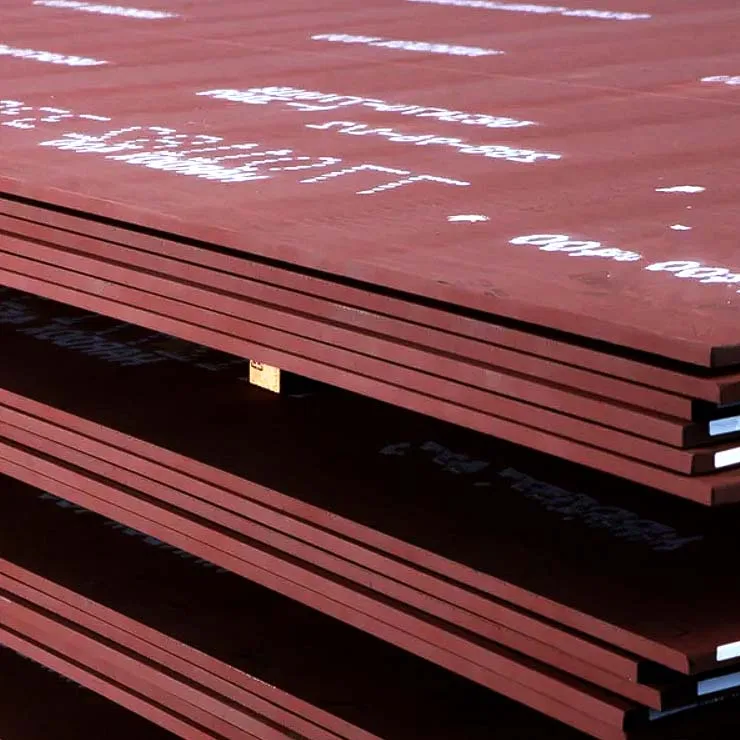
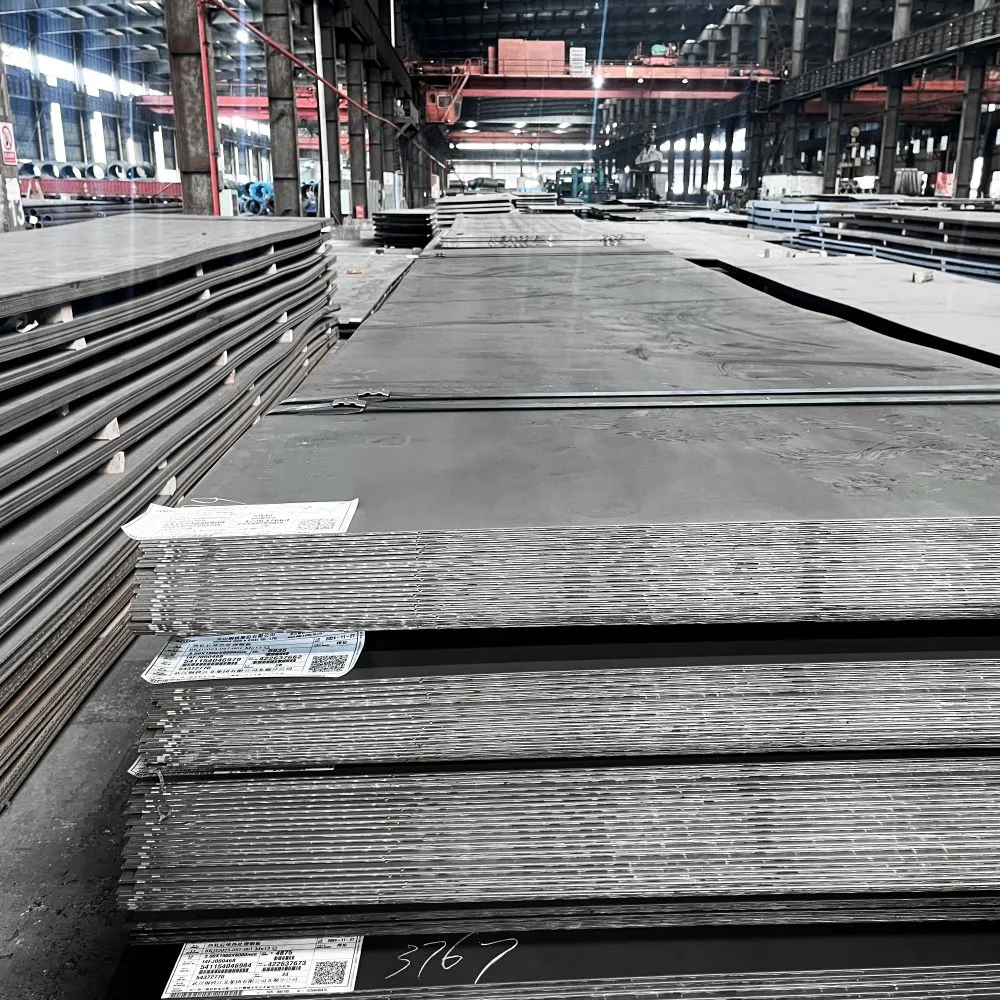
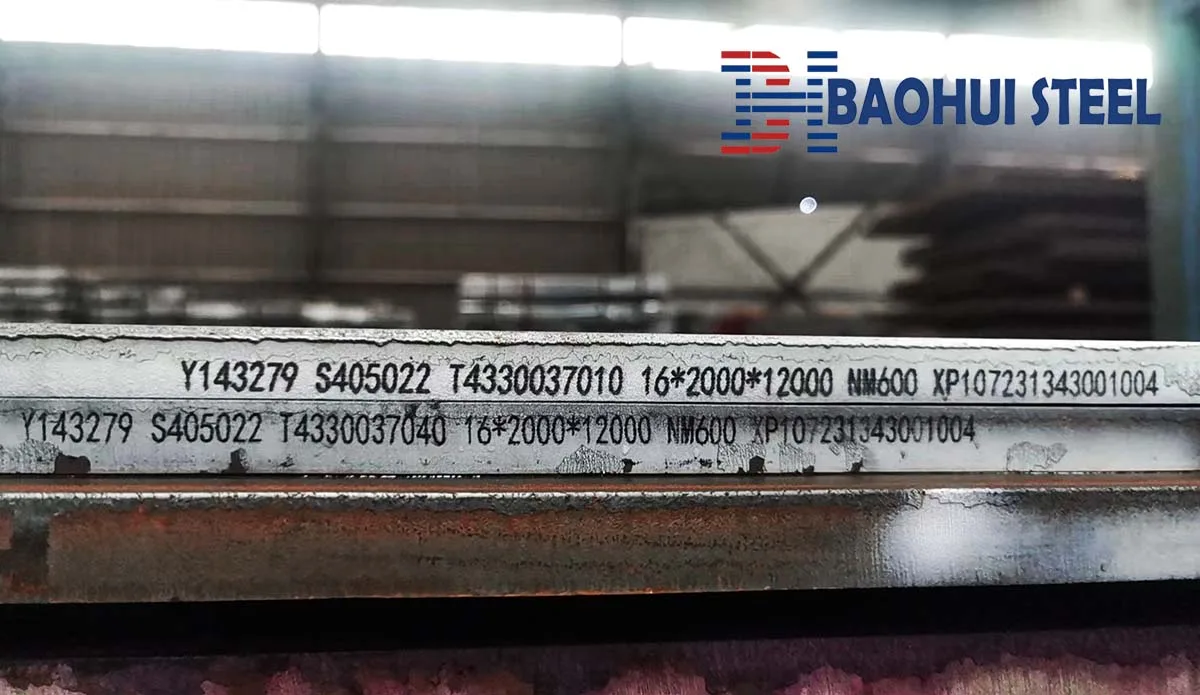
AR400, AR450, and AR500 are wear-resistant steels with structural properties
AR400 stands out as a reliable, all-purpose wear-resistant steel, characterized by a nominal hardness of 400 HBW. It is particularly well-suited for applications where moderate wear is expected but high toughness, flexibility, and weldability are essential.
AR450 is renowned for its exceptional versatility and resistance to abrasion, coupled with structural capabilities. This steel boasts a 50 HBW hardness advantage over AR400 variants, enhancing its ability to withstand wear and extend its operational lifespan. The increased hardness not only bolsters the material's strength but also improves its resistance to denting. Remarkably, its high toughness is maintained even in cold environments, allowing equipment to withstand impacts without structural compromise.
AR500 features a nominal hardness of 500 HBW, designed for extreme wear conditions that necessitate a certain level of structural performance,. This ensures a prolonged service life and retains good workability and toughness. Common applications for AR500 include the production of liner plates, grizzly bars, wear bars, and various other components in industries where wear is a significant factor.
| Grade | Yield Strength MPa | Brinell hardness HBW | Elongation A | Impact Strength Charpy V 20 J |
|---|---|---|---|---|
| NM400 | 1200 | ≥370 | 9 | 17 |
| NM450 | 1250 | ≥420 | 7 | 17 |
| NM500 | 1450 | ≥470 | 5 | - |
Ready to upgrade? Contact us for quote and technical support.
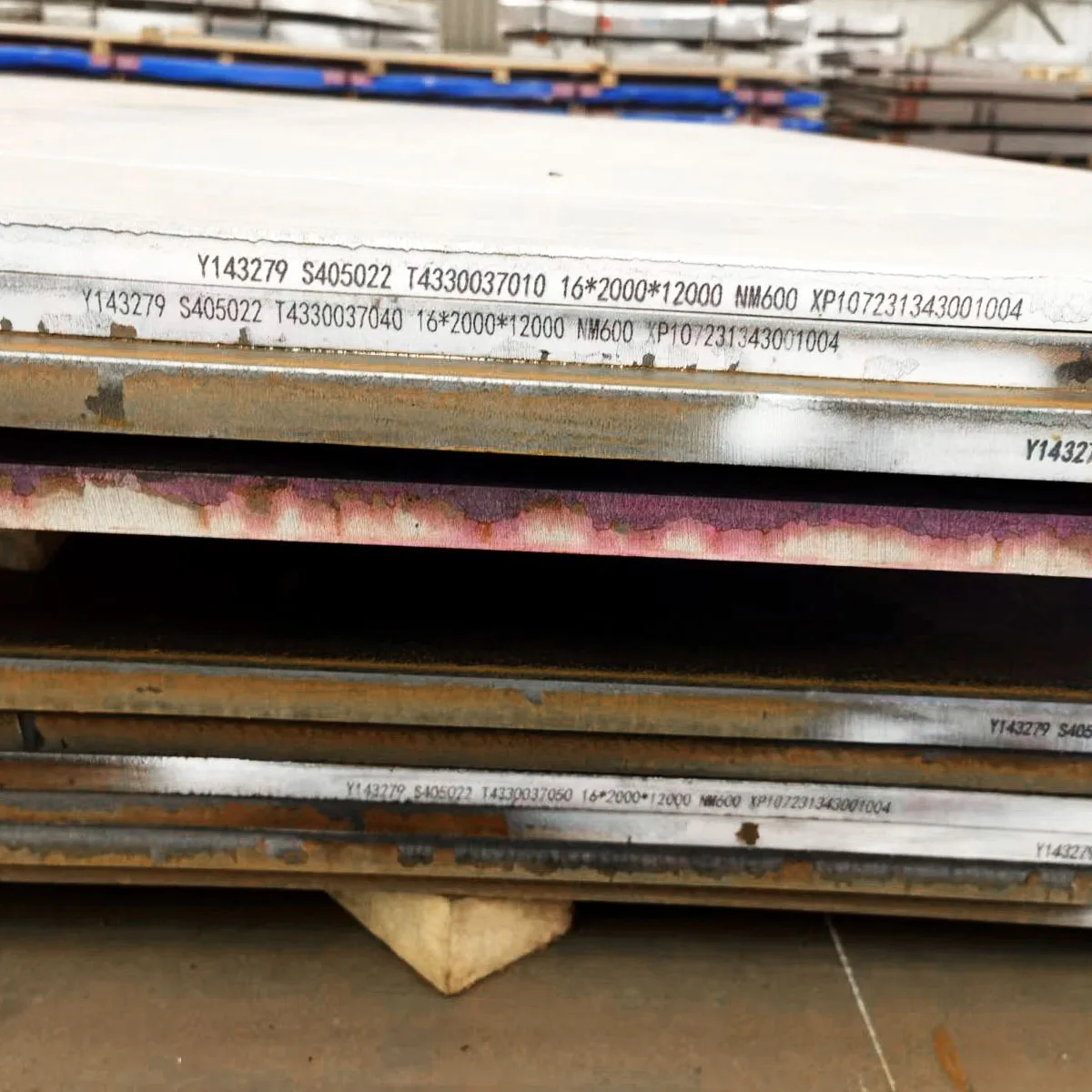
AR600 for superior wear resistance
AR 600 is distinguished by its 600 HBW hardness and an unusually high toughness for its hardness level. This makes it suitable for the most demanding wear conditions, yet it remains capable of being cut and welded. Its applications are diverse and include use in cement plants for molds, tables, and compactors; as liner plates and screed plates in material handling and mineral processing; as liners in stationary concrete mixers; and as hammers and knives in recycling and waste fragmentation processes.

Ready to upgrade? Contact us for quote and technical support.
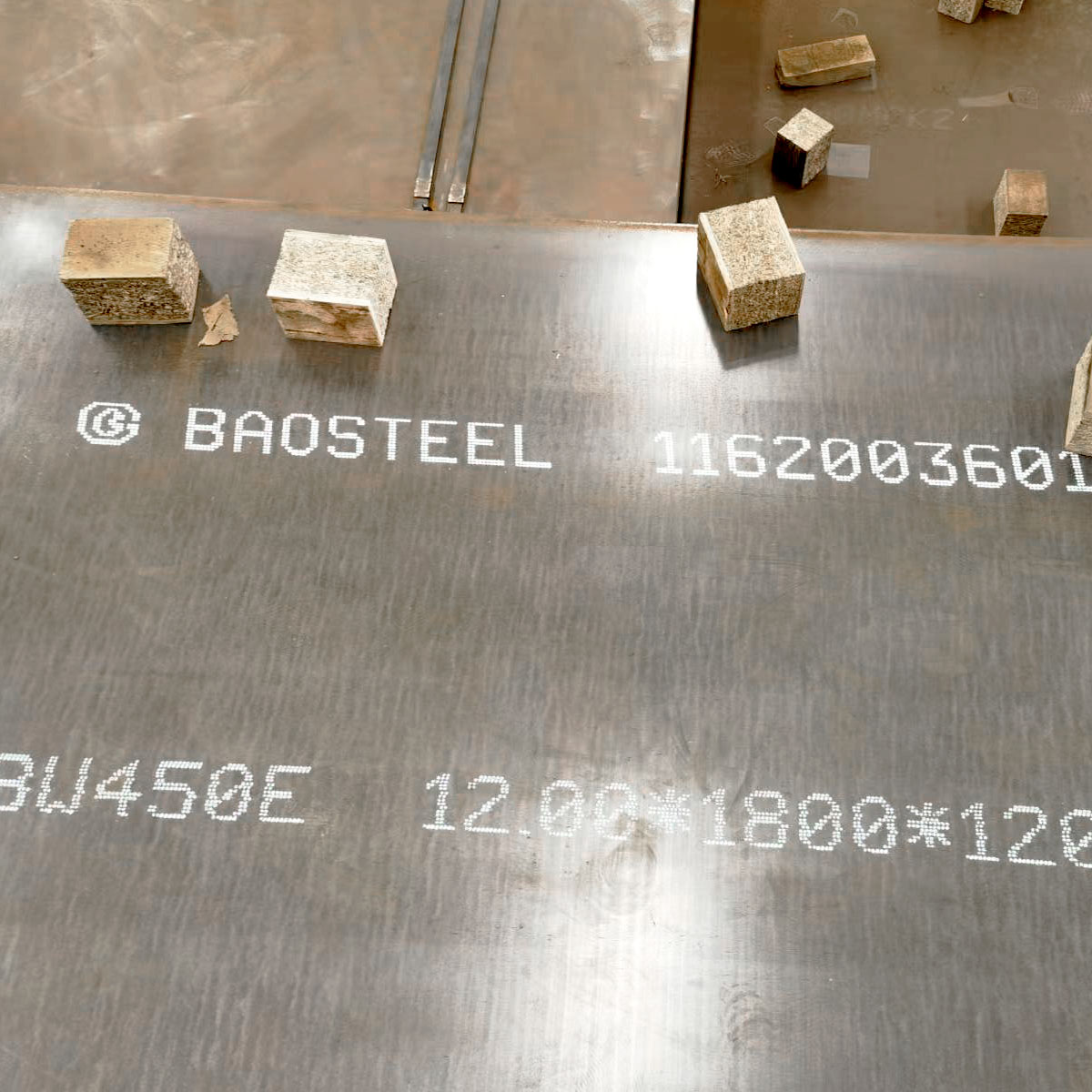
NM400E, NM450E, and NM500E for the extreme condition
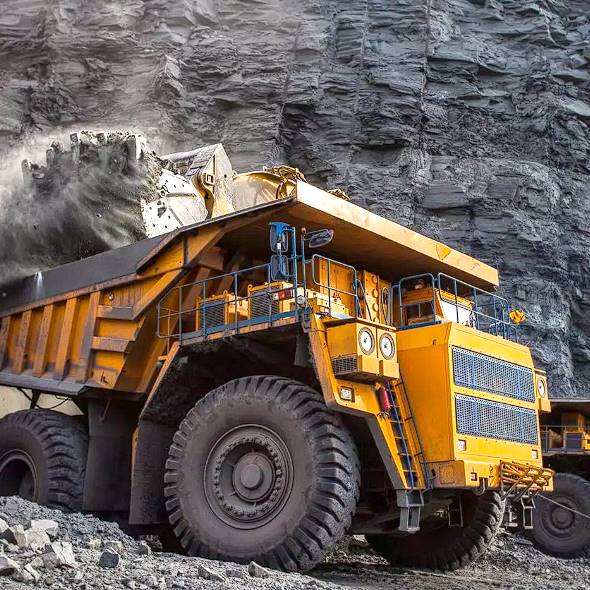
In regions with cold climates, construction machinery, dump trucks, and other vehicles are required to operate under extreme low-temperature conditions. As a result, wear-resistant plates must maintain ultra-high hardness and service life in these environments. Baosteel has specially developed the Wear-resistant E series to satisfy the usage of wear-resistant plates in cold areas, ensuring that they can meet the impact energy requirement of 40 joules under conditions of -40 degrees Celsius.