Introduction
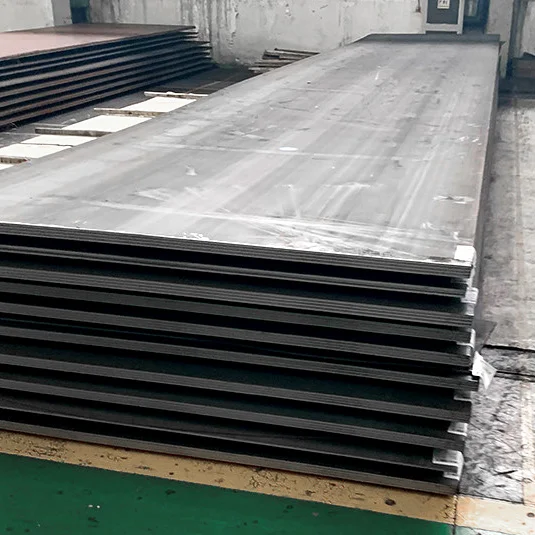
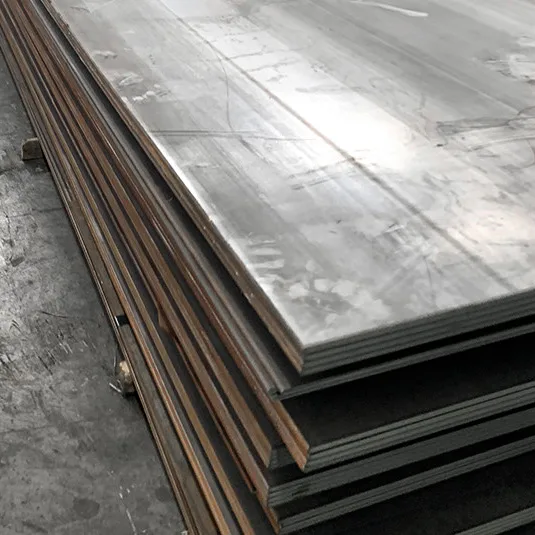
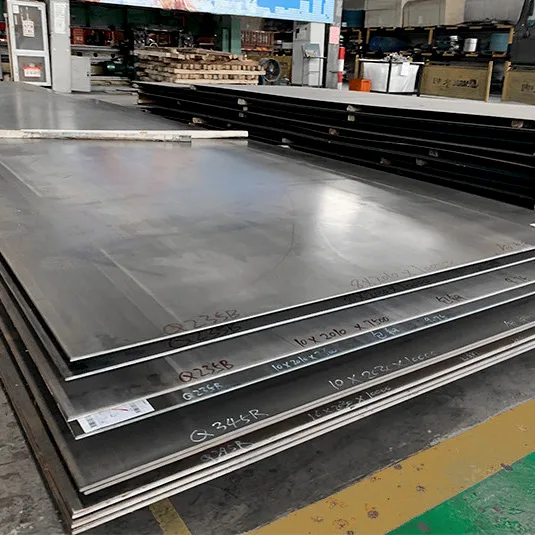
Container steels are specialized materials engineered for manufacturing pressure vessels, storage tanks, and equipment operating in extreme temperatures (-196°C to +600°C) or corrosive environments. These steels are critical in industries such as oil and gas, petrochemicals, nuclear energy, and cryogenic storage. Key attributes include high strength, excellent weldability, corrosion resistance, and low-temperature toughness.
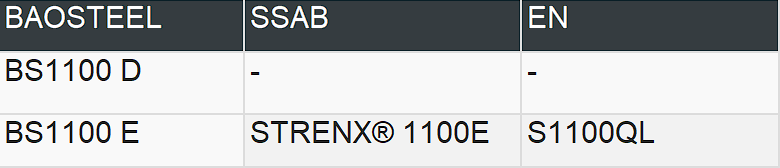
General Equivalent Grade of Pressure Vessel Steel
Below is a comprehensive matrix of globally recognized container steel grades, categorized by application and temperature range:
Technical Specifications
1. Chemical Composition & Mechanical Properties
- Low-Temperature Grades (e.g., 16MnDR):
- C: ≤0.20%, Mn: 1.20–1.60%, Si: 0.15–0.50%
- Yield Strength (ReL): 265–315 MPa (thickness-dependent)
- Impact Toughness: ≥47J at -40°C (Charpy V-Notch).
- High-Temperature Grades (e.g., 12Cr2Mo1VR):
- Cr: 2.00–2.50%, Mo: 0.90–1.20%
- Tensile Strength (Rm): 570–720 MPa (at 600°C).
- Hydrogen Resistance: HIC/SSCC tested for sour service.
2. Heat Treatment & Processing
- Delivery Conditions:
- Normalized (N), Normalized + Tempered (NT), or Quenched & Tempered (QT) for enhanced grain refinement.
- Advanced Manufacturing:
- Smelting: EAF/BOF with LF/VOD refining for ultra-low S/P (≤0.005%).
- TMCP (Thermo-Mechanical Controlled Processing): Optimizes thickness uniformity in plates up to 200mm.
3. Testing & Certification
- NDT (Non-Destructive Testing):
- Ultrasonic Testing (UT) for plates >20mm (per GB/T 2970 or NB/T 47013.3).
- HIC/SSCC testing for hydrogen-containing environments.
- Certifications: Compliant with ASME, PED, ISO 9328, and GB/T 713.
Applications
1. Energy & Petrochemicals
- LNG Infrastructure: 16MnDR for -162°C LNG storage (thickness: 16–50mm).
- Hydrogenation Reactors: 12Cr2Mo1VR with 120mm thickness, validated at 470°C.
- Offshore Platforms: SA516 Gr.70 (Q345R equivalent) for marine corrosion resistance.
2. Power & Nuclear
- Nuclear Pressure Vessels: 07MnNiCrMoVDR (-196°C impact toughness ≥80J).
- Boiler Components: 15CrMoR for high-temperature steam pipelines (550°C).
3. Chemical Processing
- Acetic Acid Reactors: SA387 Gr.11 CL2 (15CrMoR equivalent) with anti-corrosion cladding.
Selection Guide
Selection Criteria
- Low-Temperature: 16MnDR (-40°C) or 09MnNiDR (-70°C).
- High-Temperature/Hydrogen Service: 12Cr2Mo1VR (HIC-resistant) or 14Cr1MoR (sulfide corrosion resistance).
- Marine/High-Corrosion: SA516 Gr.70 (offshore) or duplex steels (e.g., S32205) for chloride-rich environments.
Production & Customization
1. Manufacturing Capabilities
- Dimensions: Thickness 8–200mm, width 1,500–4,100mm.
- Special Processing:
- Z-Directional Properties: Z15/Z25/Z35 certification for anti-lamellar tearing.
- Precision Cutting: Plasma, laser, or waterjet cutting for complex geometries.
2. Quality Assurance
- Traceability: Mill test certificates (MTC) with heat-specific chemical/mechanical data.
- Inventory: 10,000+ tons of ready stock for urgent orders (15-day lead time).